When it comes to selling real estate, pricing your house right from day one has the single biggest impact on your final net proceeds.
In today’s balanced market, buyers have more inventory to browse, compare values closely, and actively ignore overpriced listings.
While many sellers hope to test the market with an inflated asking price, realistically priced properties generate the highest buyer traffic and competition.
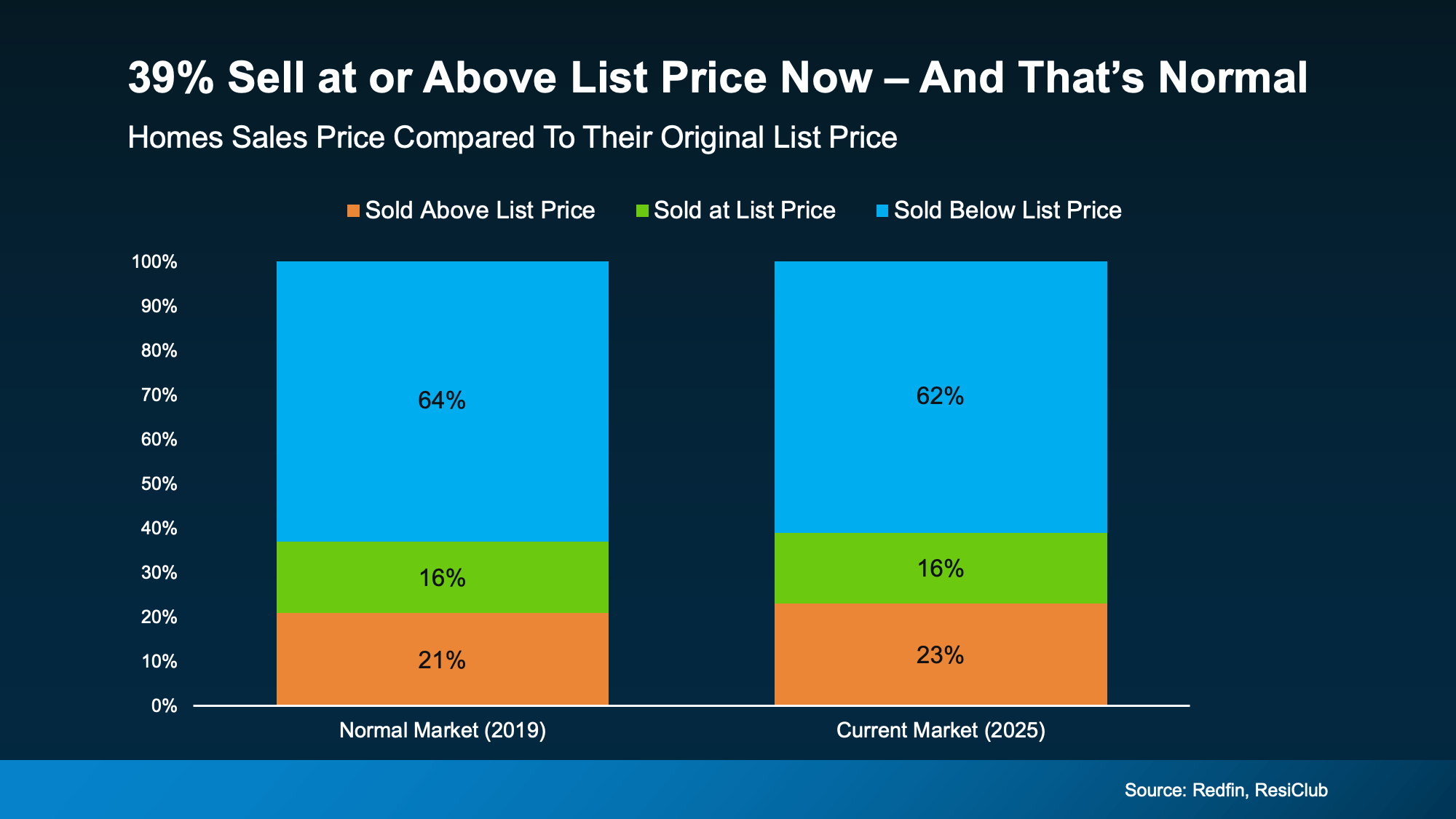
According to research from Realtor.com, roughly 80% of sellers expect to sell at or above their asking price. Yet national market data reveals that only about 40% actually achieve that goal.
Why Pricing Your House Right Matters More Today
Pricing your house right from day one creates immediate buyer urgency, maximizes showings during the crucial first two weeks, and prevents the stigma of sitting on the market. Overpricing repels active buyers and typically forces larger price reductions later.
The gap between seller expectations and real closing numbers happens because homeowners remember the frenzied 2020–2022 market.
Today’s housing climate represents a return to balanced, historic norms. Buyers are thoughtful, appraisal-conscious, and quick to bypass listings that appear out of step with recent neighborhood sales.
The Hidden Danger of Overpricing Instead of Pricing Your House Right
Many sellers assume an inflated list price leaves room to negotiate down. In reality, today’s buyers rarely make low offers on overpriced homes—they simply scroll past them.
Without pricing your house right at launch, serious buyers look at competing properties instead. That miscalculation triggers a costly chain reaction:
- Fewer Showings: Buyers skip properties perceived as unrealistic compared to nearby alternatives.
- Declining Momentum: Listings generate the highest organic buyer views during their first 14 days on the market.
- Stigmatized Days on Market: As weeks pass without an offer, buyers assume the property has hidden physical flaws.

The Price Cut Trap: Why Pricing Your House Right Prevents Losses
When an overpriced listing lingers without offers, sellers inevitably resort to price reductions to recapture attention.
Industry data shows that roughly 16% to 17% of active listings currently require price cuts before finding a buyer.
According to listing metrics tracked by the National Association of Realtors (NAR), properties that require repeated reductions often end up selling for less than their original fair market value.
Starting with an inflated price to “test the waters” frequently results in smaller net proceeds than pricing your house right with an accurate, data-backed figure. This pricing gap happens most often when homeowners consider selling without a real estate agent, where a lack of daily MLS market absorption data leaves 59% of unrepresented listings forced to make repeated price reductions.
Strategic Execution: Pricing Your House Right for Maximum Returns
Listing at market value does not mean leaving money on the table. A competitive listing price creates an auction effect, encouraging multiple qualified buyers to submit clean, competitive terms.
The goal is to find the sweet spot: high enough to protect your equity, yet competitive enough to capture immediate buyer interest.
Before putting a sign in the yard, discovering what your home is worth using verified comparable sales ensures you enter the market from a position of strength.
To review our full listing process, explore our comprehensive home seller resources for a clear view of today’s preparation and marketing standards.
Key Takeaways for Home Sellers
- First Impressions Count: Your listing receives the highest volume of qualified views during the first two weeks.
- Overpricing Deters Buyers: Modern shoppers do not negotiate inflated prices; they move on to competitively priced options.
- Price Cuts Cost Equity: Stale listings usually require steeper discounts than properties where owners focus on pricing your house right from day one.
- Local Comps Rule: Reliable pricing requires reviewing hyper-local closed transactions, not automated online estimates.
Frequently Asked Questions on Pricing Strategy
How do I know if my house is priced too high?
If your property has been active for more than 14 to 21 days with steady showings but zero offers, buyers are signaling that the condition or location does not match your current asking price.
Does pricing slightly below market value work?
Yes. Listing slightly below or directly at fair market value often generates multiple showings and competitive bidding, which can drive the final sales price above the initial listing figure.
Navigate the Greater Chicago Market with Confidence
National statistics provide broad guidance, but neighborhood inventory, localized school boundaries, and Cook County property tax adjustments directly shape buyer behavior on every block.
Whether you are planning to list this season or reviewing your options, our brokerage delivers data-driven comparative market analyses to protect your bottom line.
Ready to build a strategic sales plan? Schedule a consultation with our local brokerage team or call our Chicago office directly at (312) 283-0794 to speak with an experienced advisor.